For many university students, classical ballet can feel distant, expensive, or reserved for a cultural elite. Yet at the Paris Opera, ballet has long been understood as a living art form meant to educate, challenge, and inspire new generations.
Season packages designed specifically with students in mind open the doors of one of the world’s most prestigious institutions, transforming ballet from an occasional luxury into an accessible, intellectually rich experience.
For students seeking depth, beauty, and cultural literacy, these packages represent far more than discounted tickets.
The Paris Opera as a Learning Environment
Founded in 1669, the Paris Opera is inseparable from the very history of classical ballet. It was here that ballet evolved from court entertainment into a codified art form, complete with technique, pedagogy, and aesthetic philosophy. For university students, attending performances at the Opéra Garnier or Opéra Bastille is comparable to studying original manuscripts in a historic library or observing masterworks in a museum where they were first conceived.
Season packages position ballet not merely as entertainment, but as an extension of academic life. Music, history, philosophy, political theory, fashion, and anatomy all intersect on the Paris Opera stage, making each performance an interdisciplinary lesson in motion.
What Are Classical Ballet Season Packages for Students
Student season packages typically bundle multiple ballet performances across a single season at a reduced price, reserved exclusively for individuals enrolled in higher education. These packages are structured to encourage continuity, allowing students to follow thematic arcs, choreographic styles, or company evolutions over time rather than consuming ballet as isolated events.
Unlike single-ticket purchases, season packages cultivate familiarity. Students learn to recognize dancers, stylistic nuances, and repertory patterns, fostering a deeper and more analytical relationship with the art form.
Why Season Packages Matter for University Students
Consistency Builds Cultural Literacy
Repeated exposure is essential to understanding classical ballet. Season packages offer consistency, enabling students to observe how technique, interpretation, and staging vary across works. Over time, ballet shifts from something to be admired visually into something that can be read, questioned, and critically discussed.
Financial Accessibility Without Artistic Compromise
Paris Opera student packages maintain artistic integrity while removing financial barriers. Seats may vary in location, but the experience remains authentic. This balance is crucial for students who want serious engagement rather than diluted access.
Integration With Academic Life
Many students use performances as material for essays, presentations, or informal debates. Ballet becomes a shared reference point, enriching classroom discussions and fostering cultural exchange among peers from diverse disciplines.
Inside a Typical Student Ballet Season
A Balance of Classics and Contemporary Works
Student season packages usually include a mix of canonical ballets such as Giselle, La Sylphide, or Swan Lake, alongside neoclassical and contemporary creations. This curated diversity exposes students to the evolution of ballet language, from strict classical form to modern experimentation.
Iconic Venues as Part of the Experience
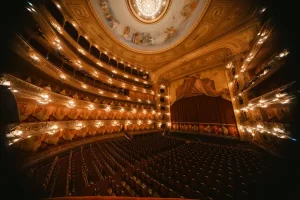
Attending performances at the Opéra Garnier introduces students to 19th-century theatrical architecture, while the Opéra Bastille highlights modern stage technology. Experiencing ballet across both spaces reinforces how environment influences artistic perception.
Exposure to the Paris Opera Ballet Company
One of the greatest educational values lies in observing a single company over time. Students begin to notice rank hierarchies, casting choices, and stylistic signatures, transforming spectatorship into informed observation.
Step by Step Guide to Accessing Student Season Packages
Step 1: Verify Student Eligibility
Most packages require proof of enrollment at a recognized university. This is typically validated through a student ID or official enrollment document. International students studying in France are often eligible as well.
Step 2: Monitor the Season Announcement
The Paris Opera releases its season calendar well in advance. Students should monitor official announcements to identify when student package reservations open, as availability is limited and demand is high.
Step 3: Choose the Right Package Structure
Some packages allow students to select specific ballets, while others offer pre-curated selections. Students interested in thematic study may prefer curated packages, while those with scheduling constraints may opt for flexible choices.
Step 4: Understand Seating and Scheduling
Student packages may assign seats across different sections and dates. Reviewing performance times, locations, and seating policies ensures alignment with academic commitments.
Step 5: Prepare for the Performances
Reading synopses, listening to scores, or attending pre-performance talks enhances comprehension. Many students form informal study groups, turning ballet nights into shared intellectual rituals.
The Social Dimension of Student Ballet Attendance
Season packages foster community. Students often attend performances together, discuss interpretations afterward, and develop friendships rooted in shared cultural curiosity. Ballet becomes a social language that transcends academic silos, connecting students from sciences, humanities, and arts.
This collective experience demystifies classical ballet, replacing intimidation with familiarity. Over time, students gain confidence in their cultural voice, learning that appreciation does not require perfection, only attentiveness.
Long-Term Impact on Students’ Cultural Identity
Students who engage with ballet through season packages often carry this habit into adulthood. Early exposure reshapes how they approach art, patience, and complexity. Ballet trains the eye to notice detail, the mind to tolerate ambiguity, and the emotions to respond without immediate explanation.
For many, these seasons at the Paris Opera become defining memories of university life. The ritual of entering the theater, the anticipation before the curtain rises, and the shared silence of the audience imprint themselves as markers of personal growth.
When Education and Beauty Move Together
Classical ballet season packages at the Paris Opera offer university students a rare alignment of access, excellence, and continuity. They invite young adults into a centuries-old conversation about movement, meaning, and human expression, not as outsiders, but as active participants.
Each performance adds a layer of understanding, each season deepens perception, and each return to the theater reinforces the idea that education does not live solely in classrooms. In the glow of chandeliers or under modern stage lights, students discover that learning can also unfold through music, bodies in motion, and moments of shared awe that remain long after the applause fades.