
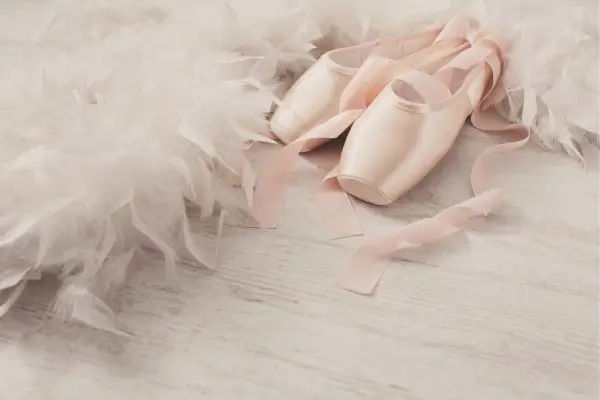
Ballet is an art form designed to vanish. A performance exists only in the moment it is danced, then dissolves into memory. For ballet memorabilia collectors, hand-painted customized shoes represent a rare defiance of that ephemerality. They capture movement after it has ended, preserving not just the object, but the story, the role, and the …
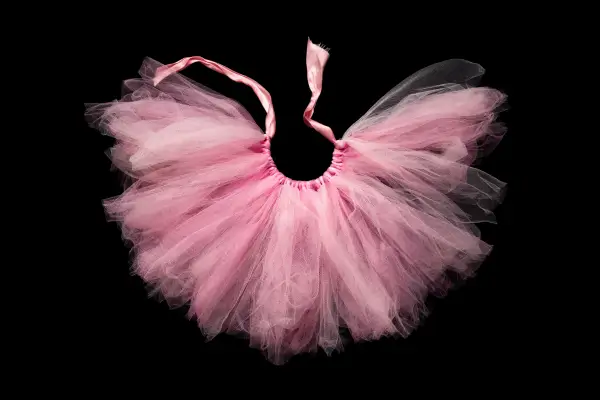
Few figures reshaped ballet as radically as George Balanchine. While his choreographic innovations are widely discussed, his influence on costume — particularly the short pleated skirt — remains one of his most quietly revolutionary contributions. For modern ballerinas, these skirts are not just garments; they are declarations of movement, musical clarity, and physical truth. Balanchine …
Museum textile curators face unique challenges when acquiring, documenting, and preserving theatrical costume pieces, particularly those featuring metallic embellishments. The silver-adorned headdresses from ballet productions of Don Quixote represent an exceptional category of textile artifacts that combine traditional Spanish millinery techniques with theatrical innovation and precious metal craftsmanship. These elaborate pieces, worn primarily in the …
In Onegin, emotion rarely erupts without restraint. It trembles beneath formality, etiquette, and social ritual. Few costume elements embody this tension more precisely than the long white Victorian gloves worn by the female characters. For aspiring ballet costume designers, these gloves are not accessories added for historical flavor. They are emotional instruments, shaping gesture, distance, …

Some of the most transformative decisions in ballet history were not loud or theatrical. They happened quietly, in rehearsal studios, through practical choices that reshaped how movement appeared on stage. George Balanchine’s insistence on transparent nude tights is one of those decisions. At first glance, it may seem like a technical or aesthetic preference. In …
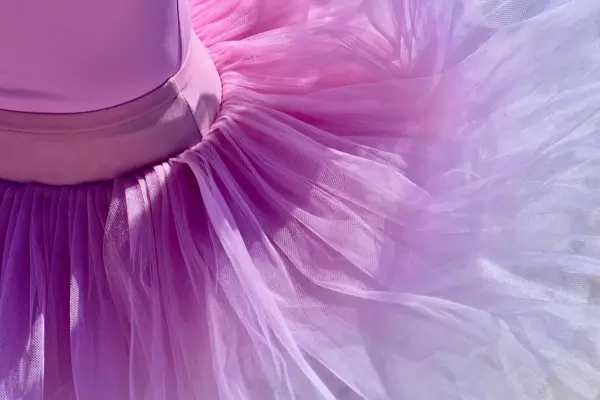
Few images in classical ballet are as instantly recognizable and emotionally charged as the white romantic tutu in Giselle. Long before a beginner learns the difference between a plié and a relevé, the visual memory of floating white skirts, soft moonlight, and ghostly figures often becomes the moment when ballet first captures the heart. The …
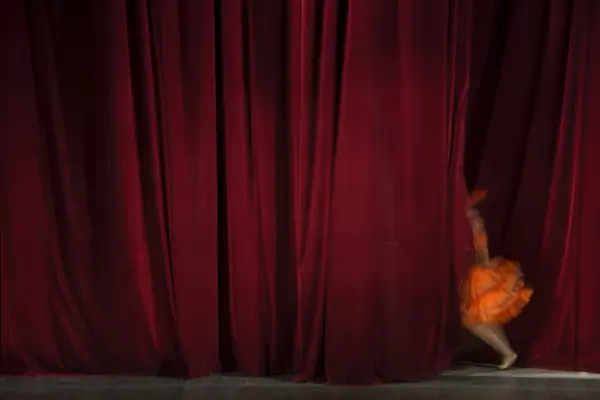
In ballet, fabric can whisper or it can shout. In Spartacus, it shouts. Few costume elements in the classical repertory possess the visceral power of the dramatic red capes that dominate the stage in this ballet. For theatrical designers, these capes are not secondary embellishments. They are kinetic symbols of revolt, blood, sacrifice, and collective …
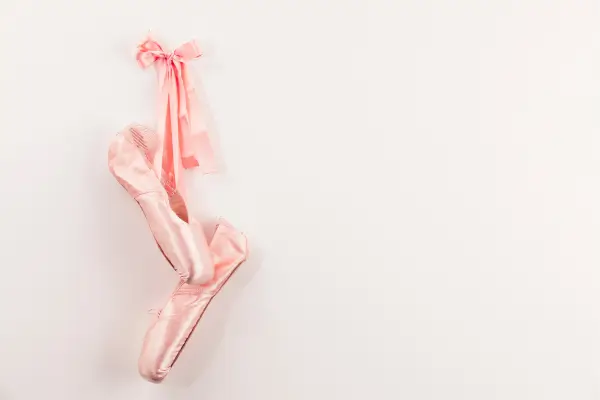
For those who collect ballet artifacts, costumes are not simply beautiful objects. They are vessels of memory, discipline, and cultural identity. Among the most revered elements in classical ballet costume history are the embroidered bodices of Swan Lake, particularly those shaped by the Russian tradition. These bodices sit at the intersection of fine art, national …

The rich visual tapestry of classical ballet offers costume historians an invaluable archive of period craftsmanship, and few productions provide as much material for study as La Bayadère. Among the ballet’s most striking costume elements are the sumptuous velvet blue cloaks worn by male characters in the rajah’s court. These garments represent a fascinating intersection …
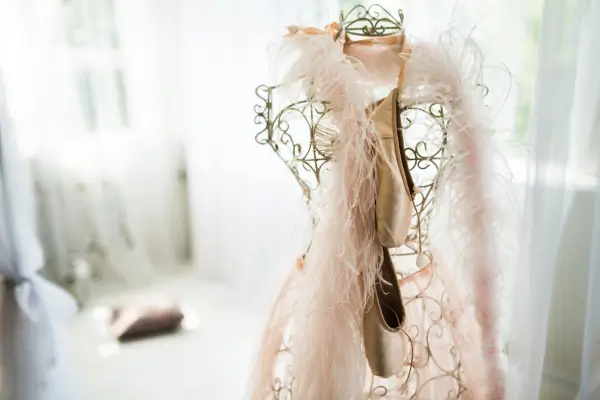
Among the most visually charged moments in Romeo and Juliet are the masked scenes that transform the stage into a space of seduction, secrecy, and impending tragedy. Elaborate Venetian masks, often associated with ballroom festivities and carnivalesque excess, become far more than decorative props in ballet. For set designers, they operate as architectural devices, psychological …